
Sam Miller
Ornithologist

Current Research & Initiatives
Block Island Morning Flight Project
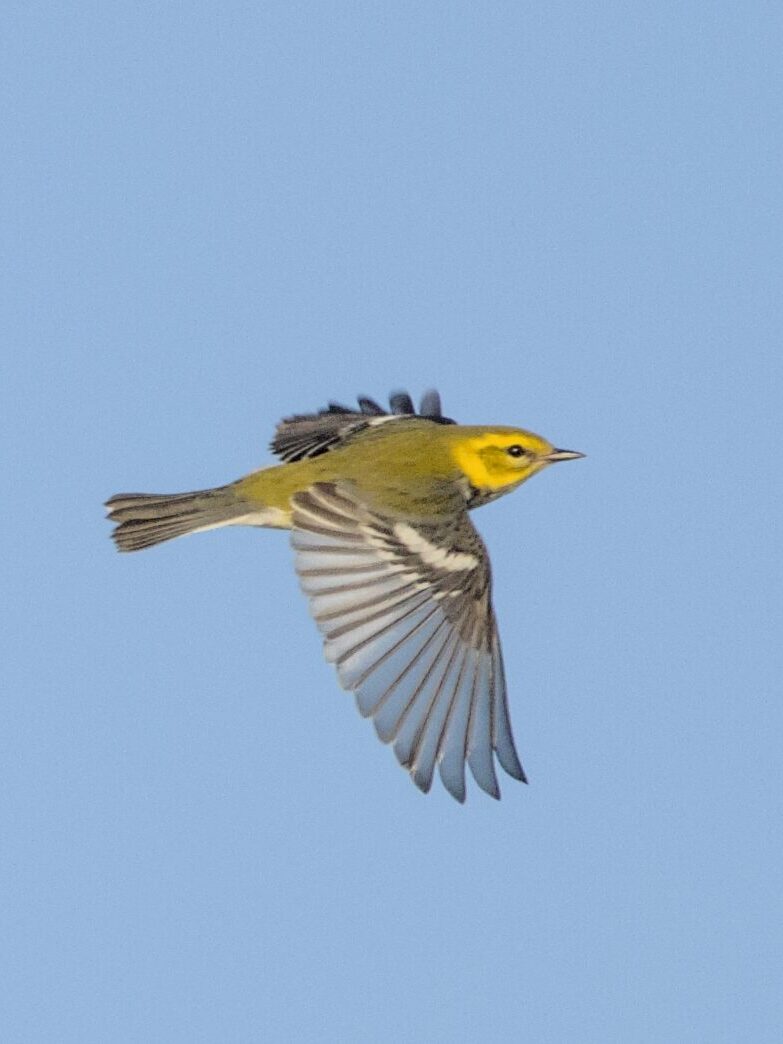
During autumn migration, substantial numbers of migratory landbirds are regularly blown into coastal waters off southern New England. Conceptualized in its early stages in 2021, this long-term monitoring project leverages data from daily reorientation flight surveys to expand our understanding of offshore displacement vulnerabilities and model high-risk events at the species level to inform the sustainable operation of offshore renewable energy
Salt Marsh Restoration & Avian Monitoring
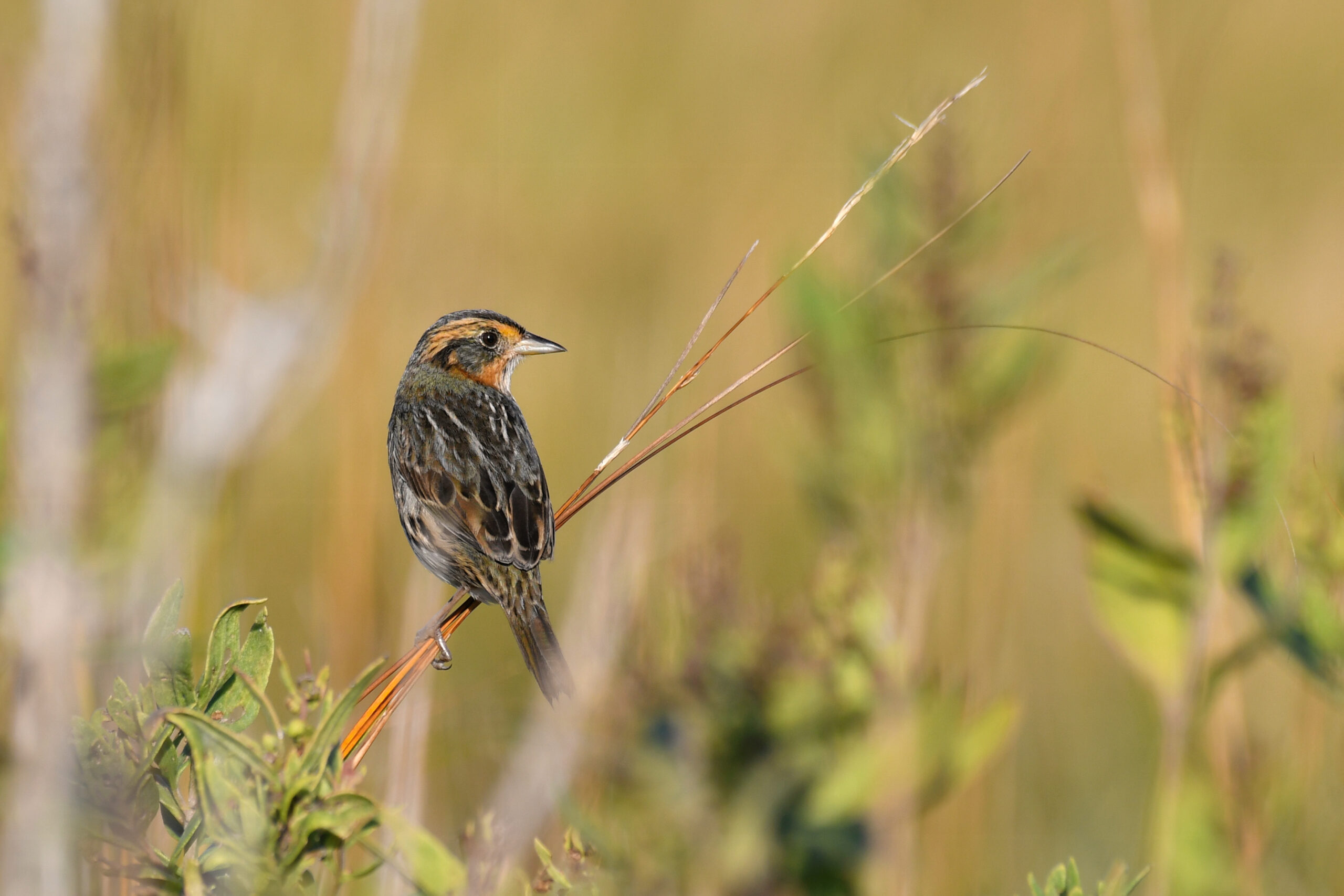
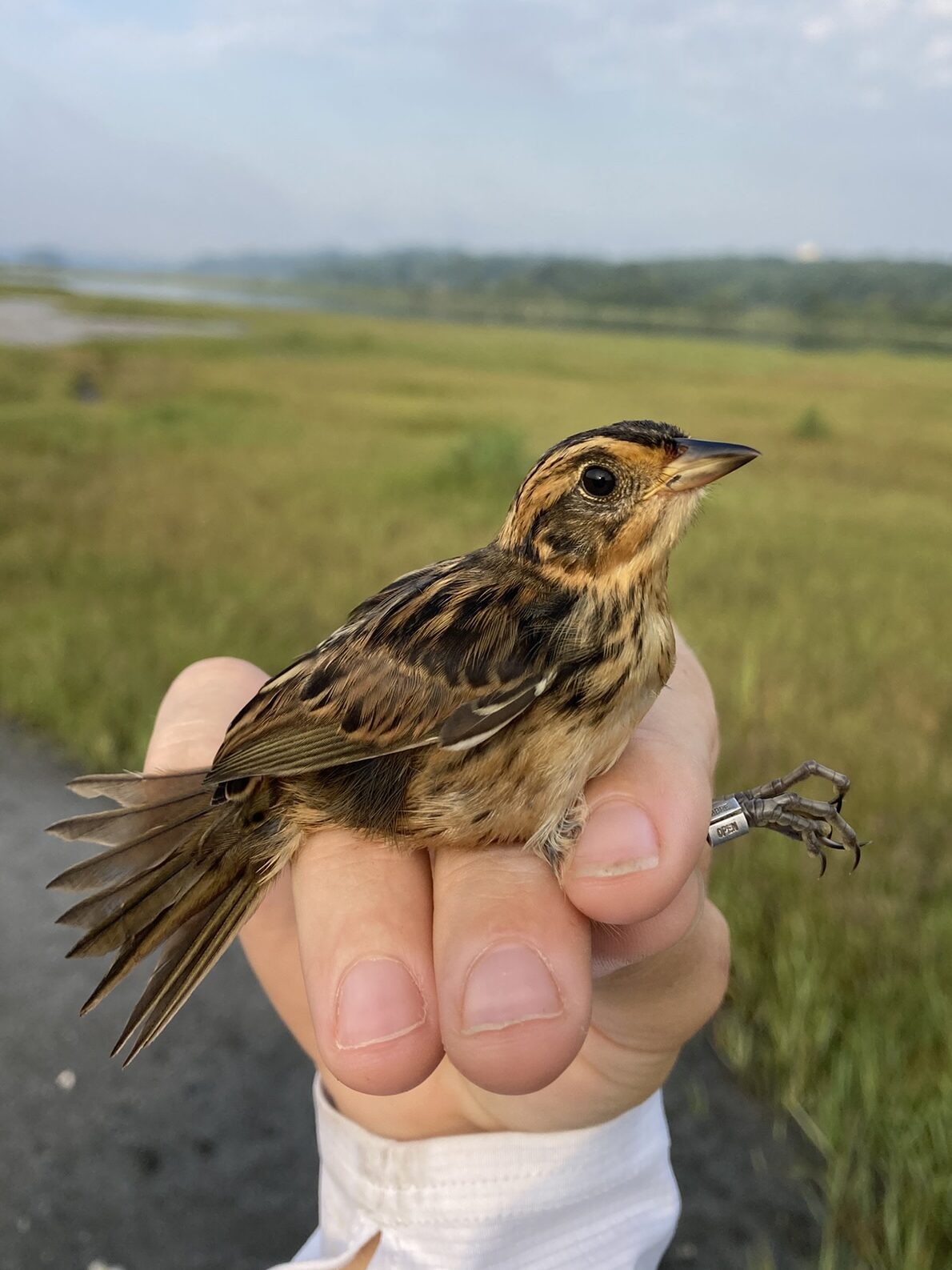
Among Rhode Island’s most vulnerable ecosystems, salt marshes are increasingly threatened by sea-level rise, altered hydrology, and habitat degradation, driving declines in the tidal marsh birds dependent on these habitats. This program aims to guide impactful marsh restoration through informative ecological monitoring of tidal marsh birds, such as the Saltmarsh Sparrow, which may go extinct by 2050 without timely action
Colonial Waterbird Monitoring
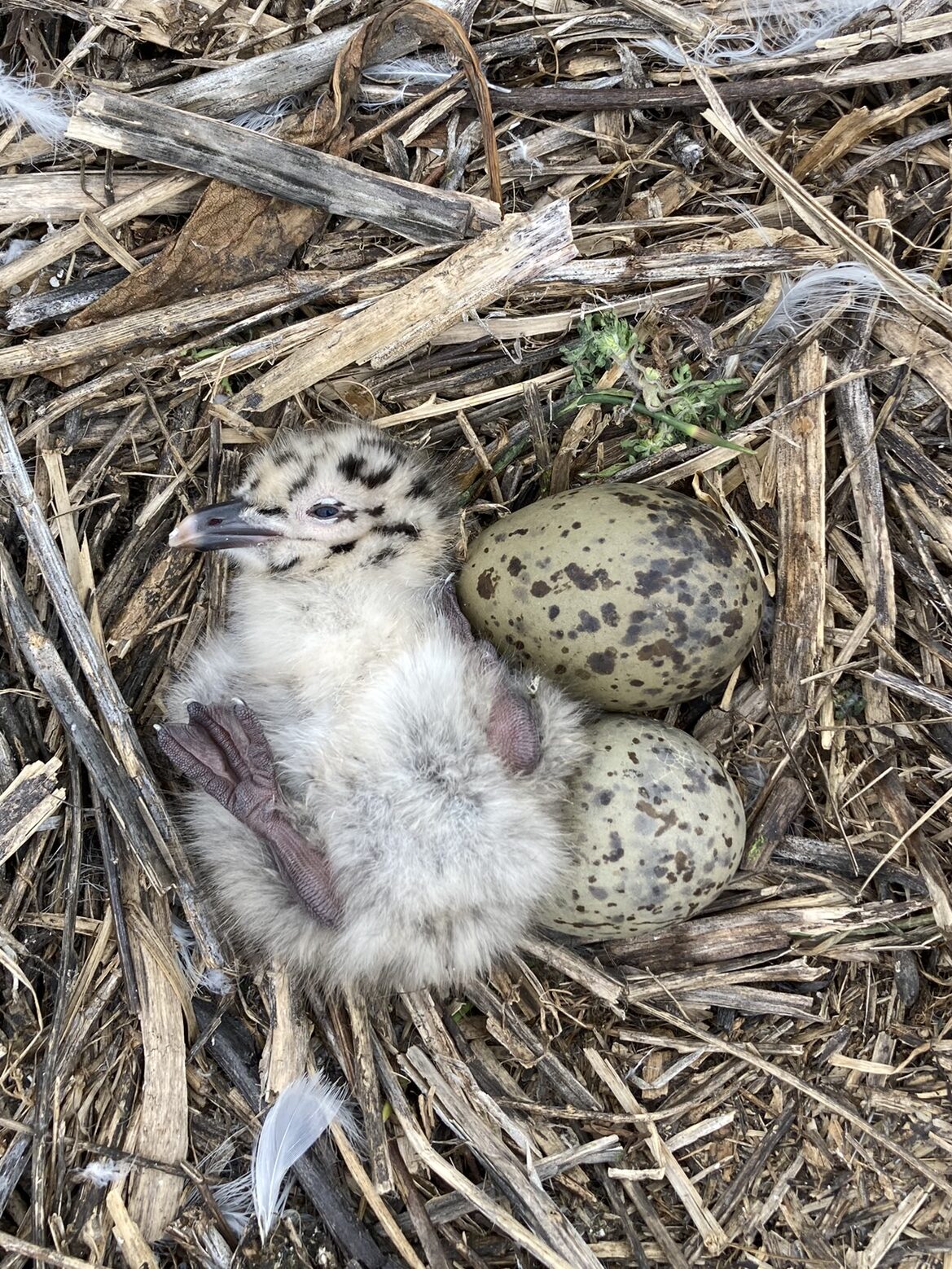
Initiated in the 1960s by the Division of Fish and Wildlife, this long-term monitoring program keeps the pulse of Rhode Island’s colonial waterbirds, and documented the return and expansion of many species over the late 20th century. Nowadays, the Ocean State plays home to over 10 species of colonial waterbirds (herons, egrets, ibis, gulls, and terns) and these intensive surveys provide the basis for guiding their conservation in Rhode Island
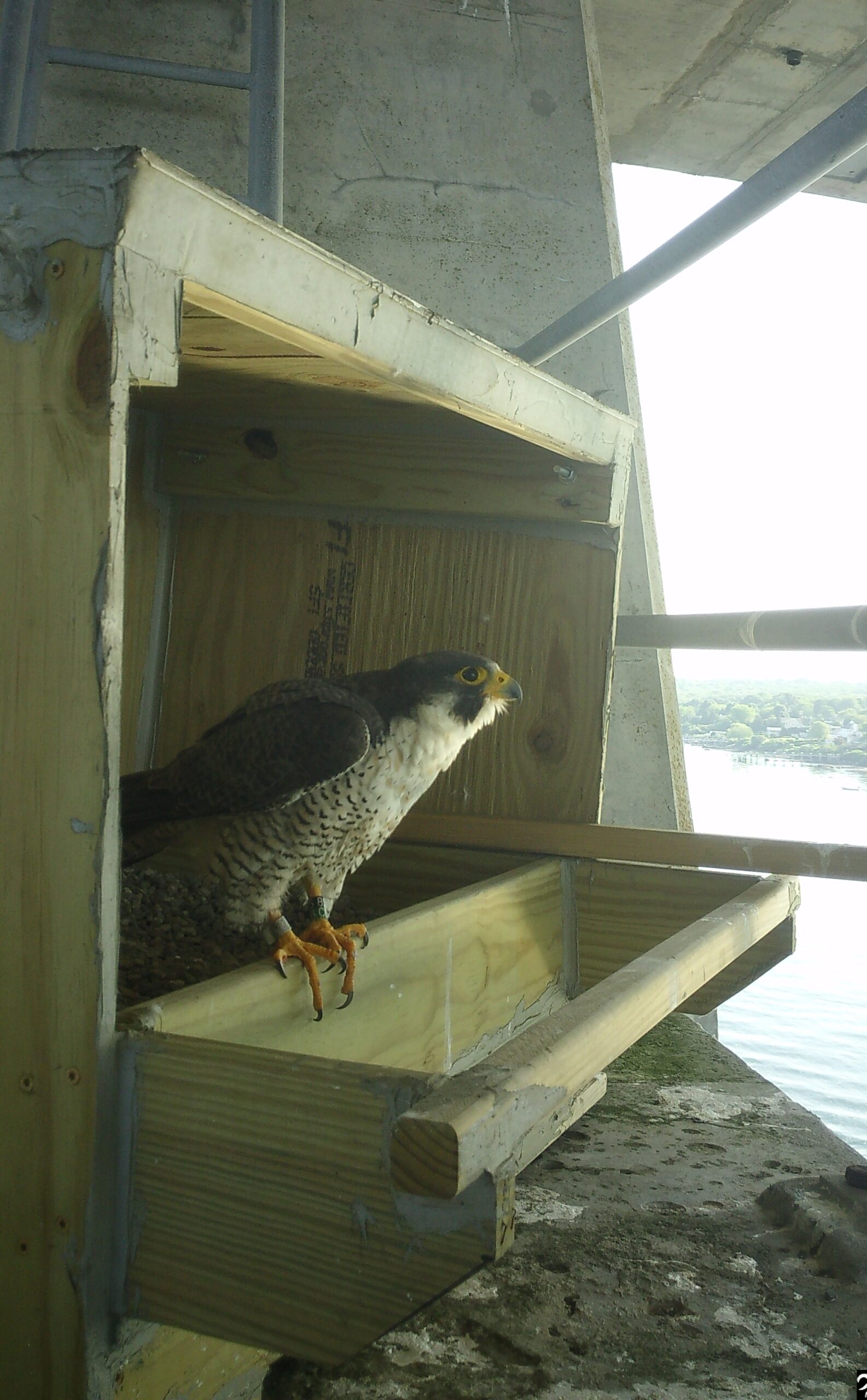
Peregrine Falcon Nest Box Program
Traditionally a cliff-nesting species, Peregrine Falcons have adapted well to urban settings following post-DDT recovery efforts, and readily take to nest boxes on tall buildings and bridges. In response to marked population declines associated with the 2022 outbreak of High Path Avian Influenza, this program was initiated in collaboration with RITBA to support the recovery and monitoring of Rhode Island’s Peregrine Falcons
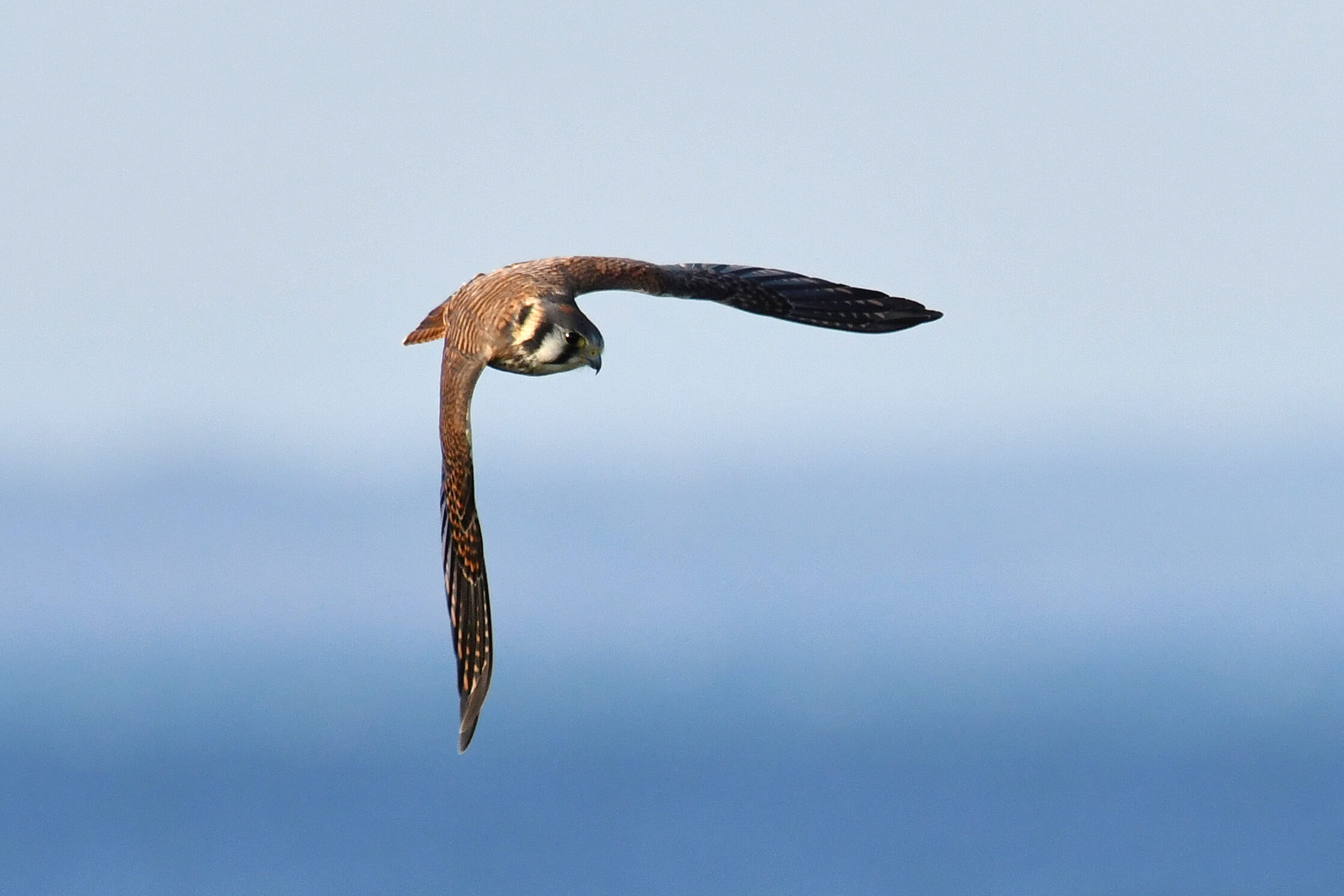
American Kestrel Nest Box Program
An emblematic denizen of open grasslands and pastures, American Kestrels have experienced precipitous population declines as open habitats slowly disappear from our landscape. By 2010, they were reduced to a rare, and possibly extirpated breeder in Rhode Island. This program aims to restore nesting opportunities wherever habitat still remains, in the hopes of bringing Kestrels back to Rhode Island’s summer skies
Gallery
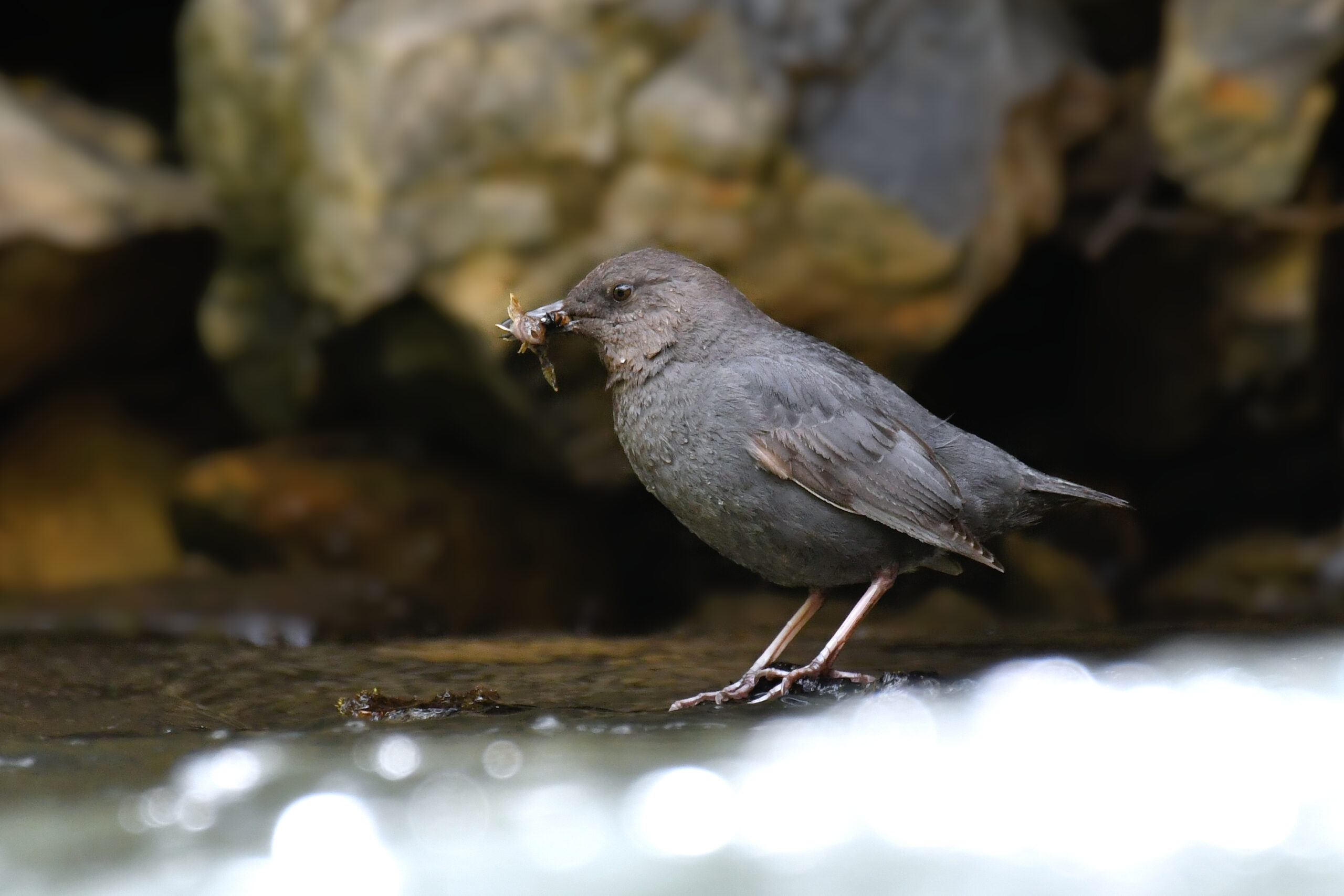
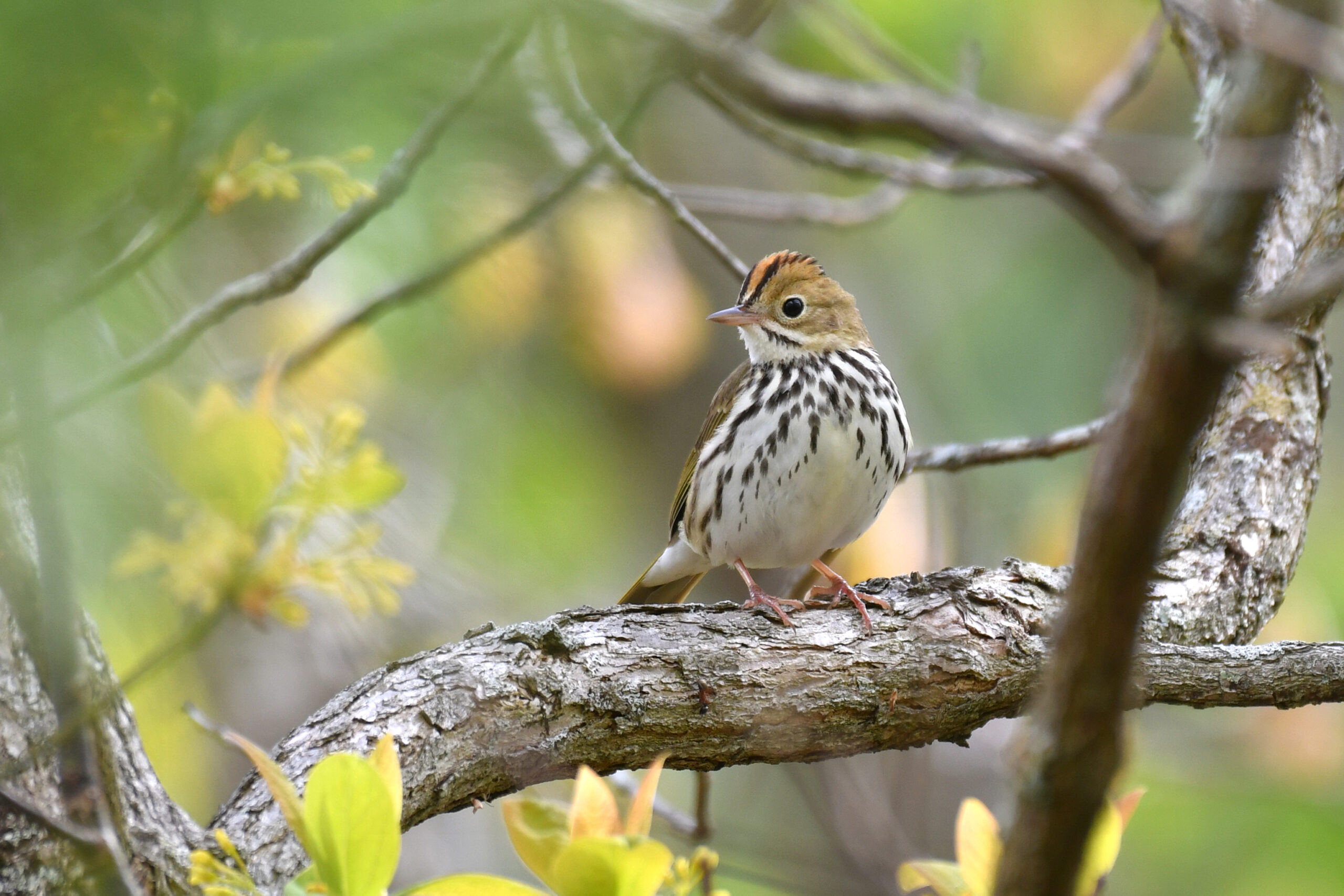
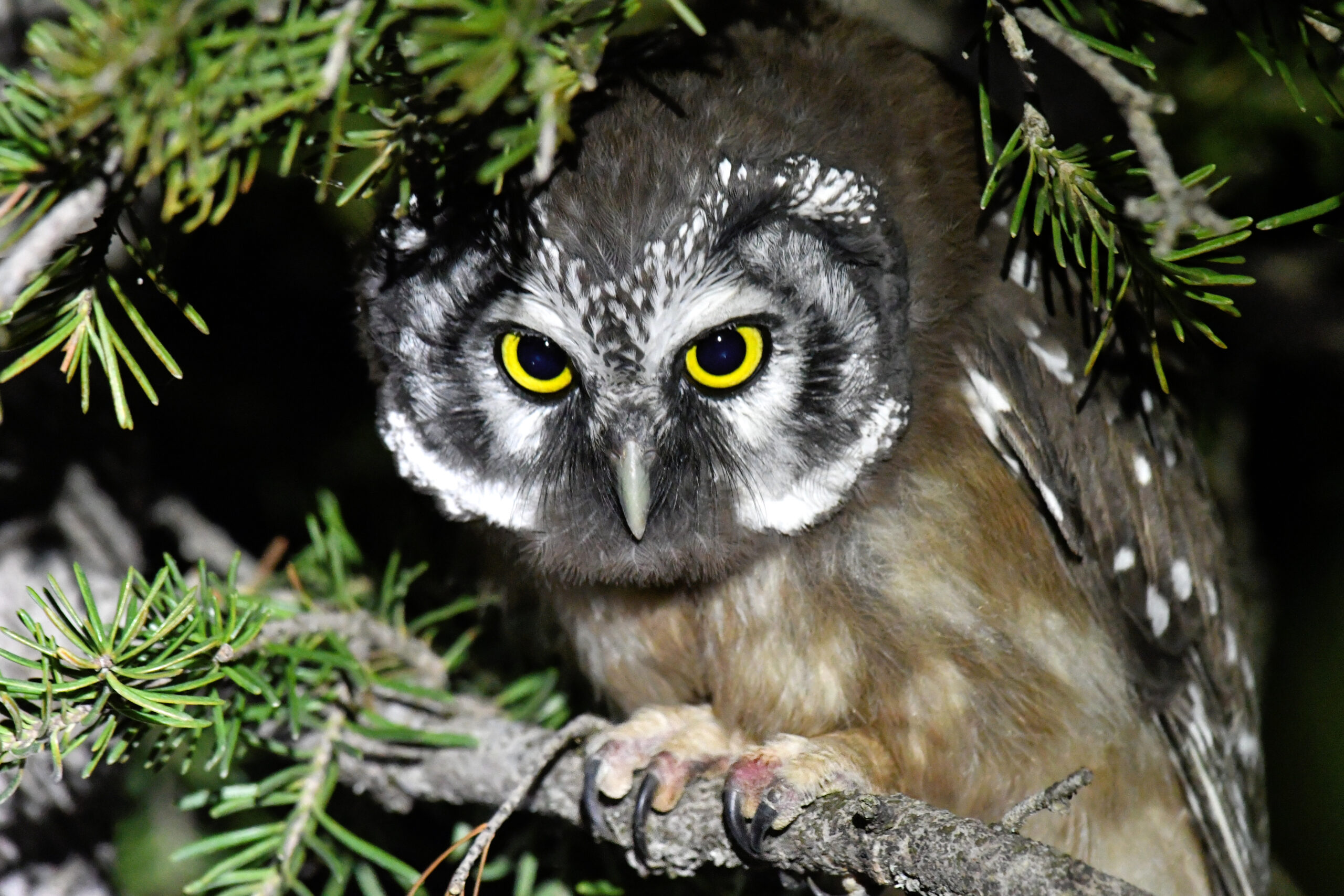
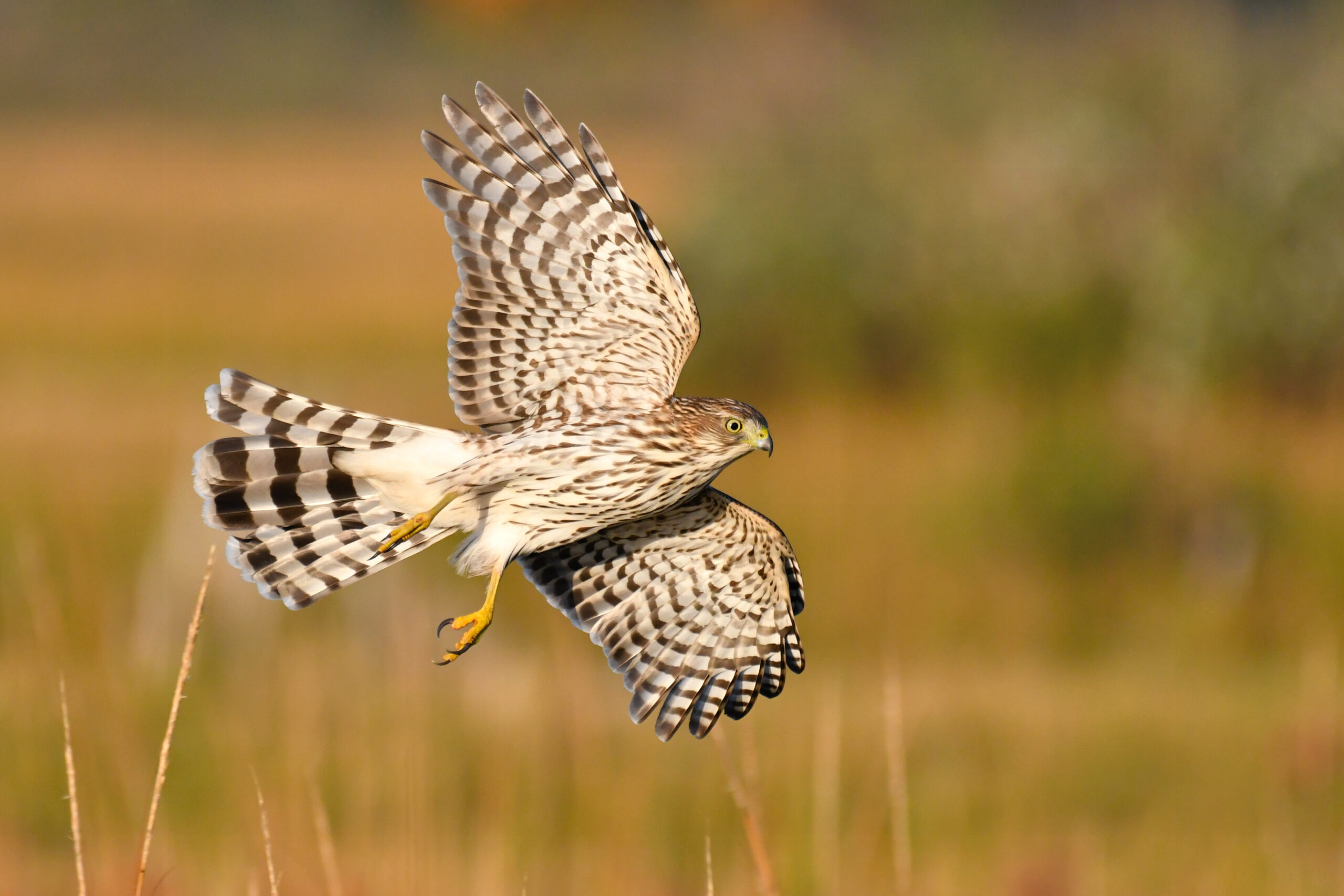
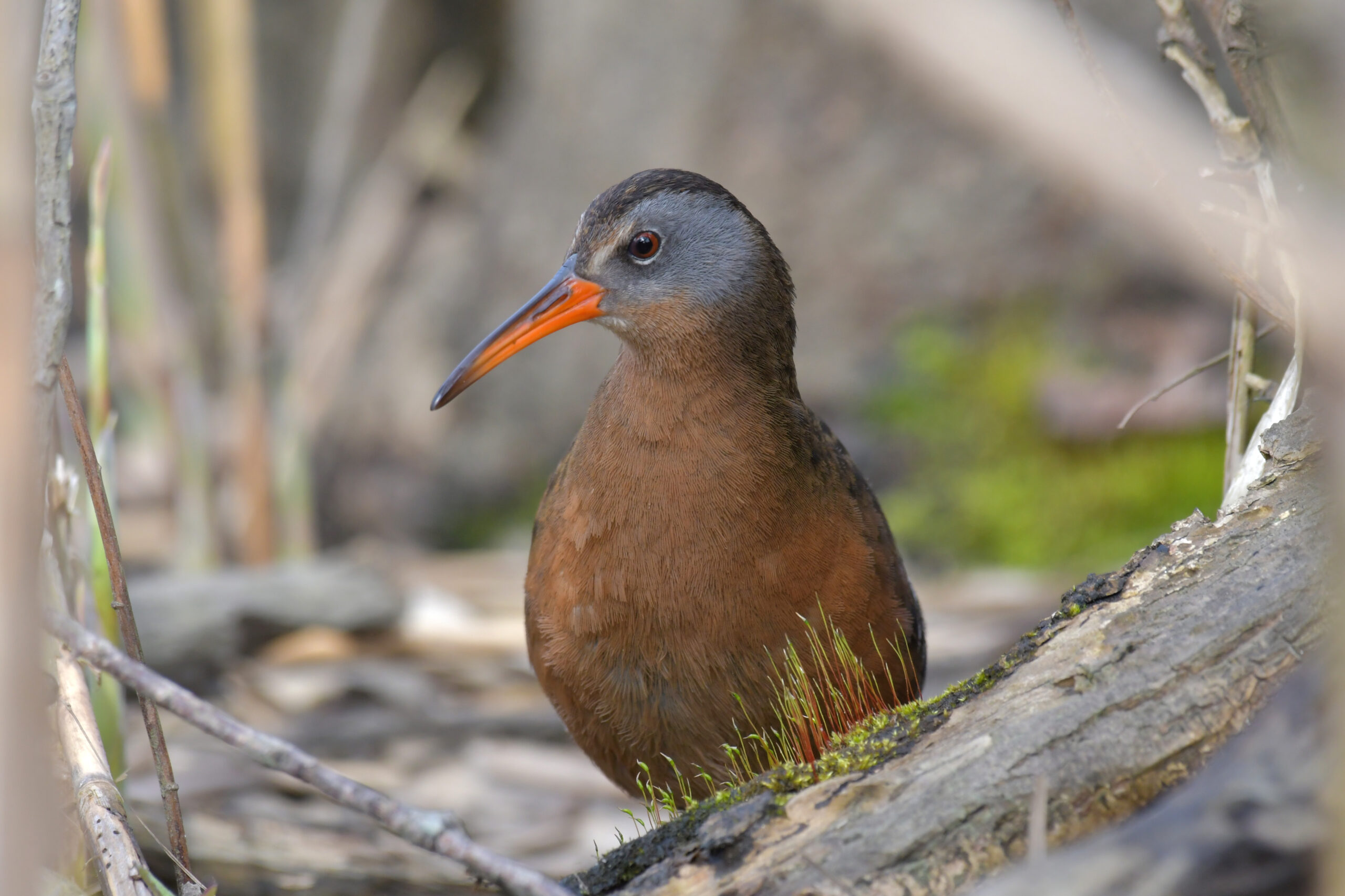
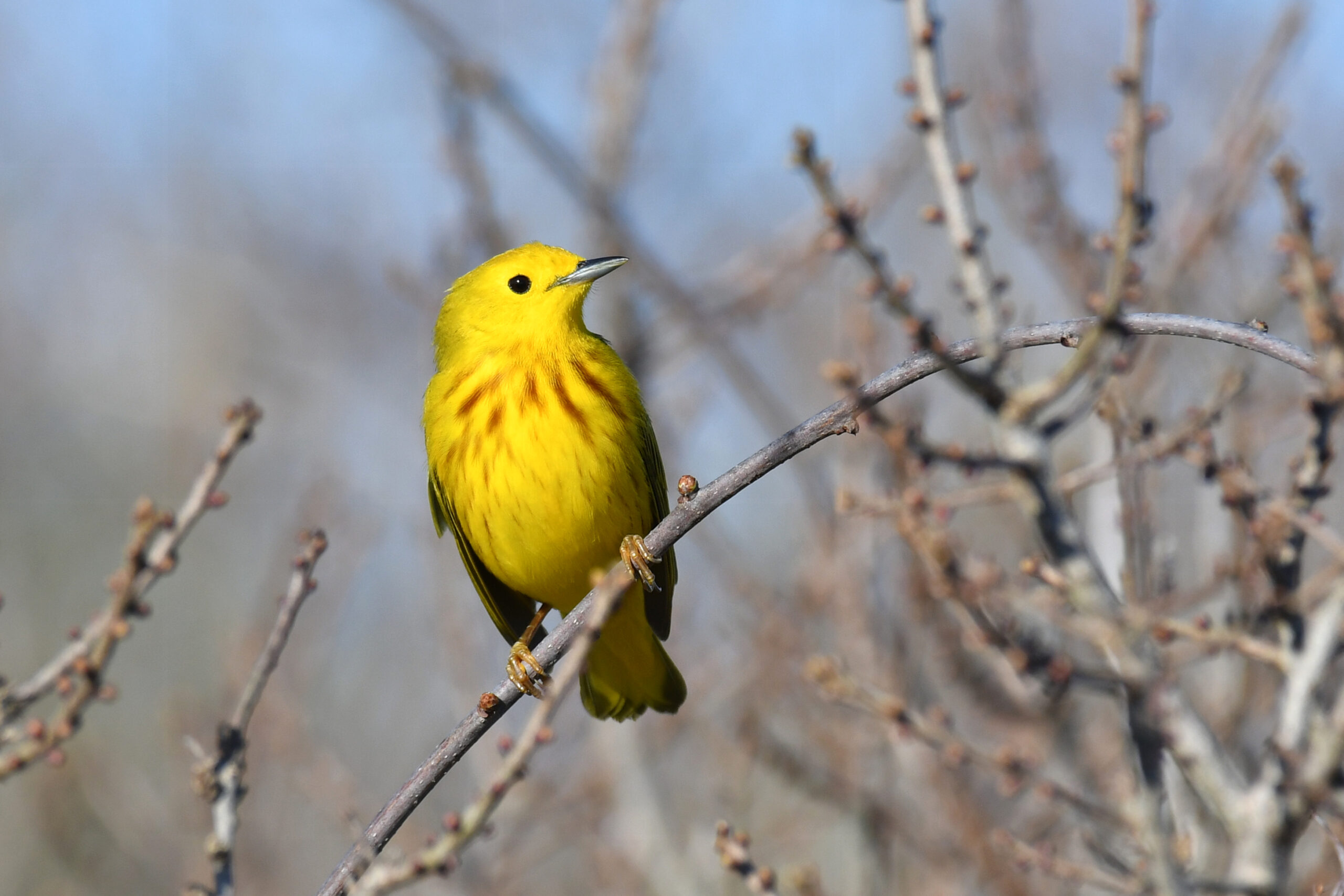
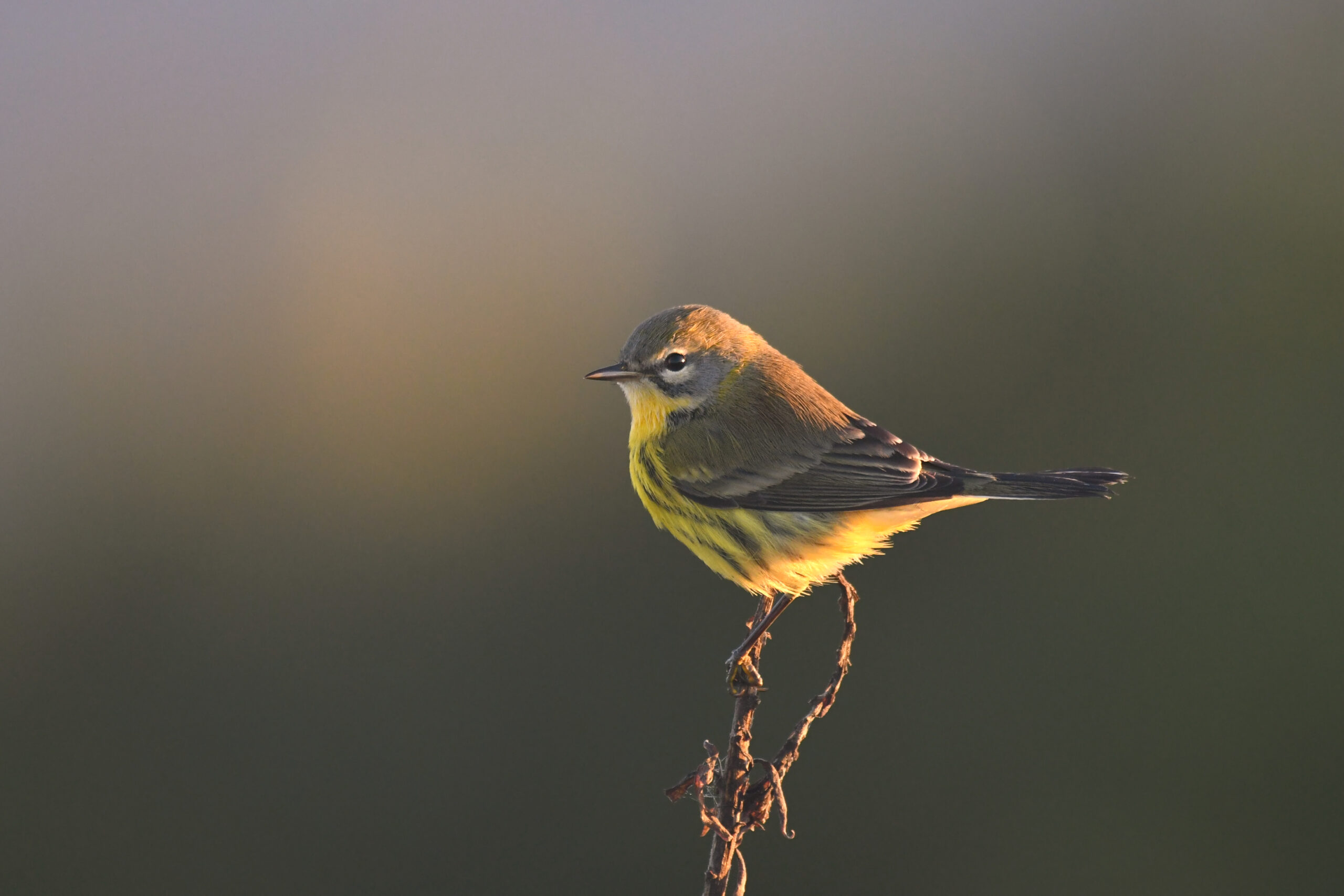
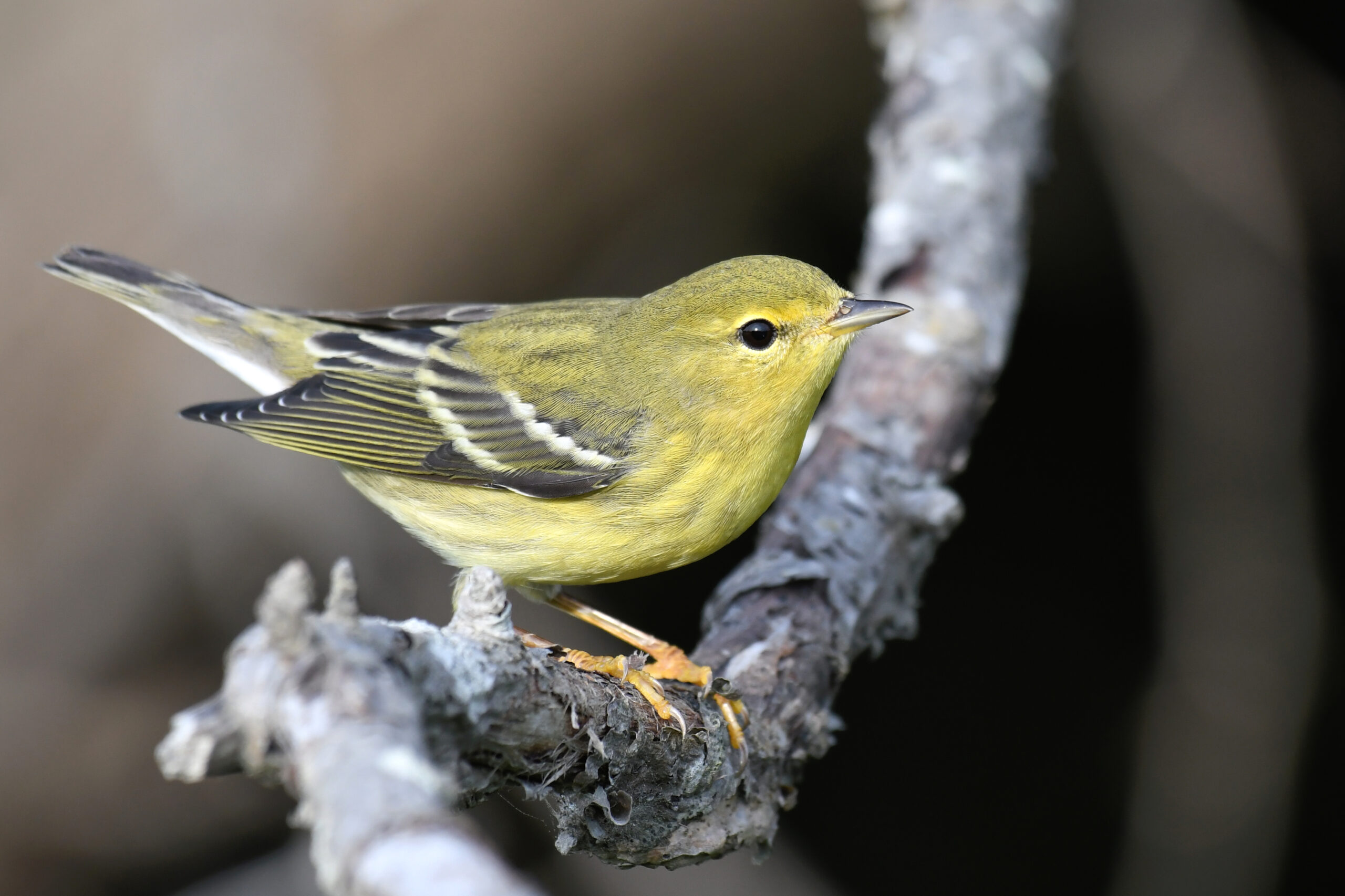
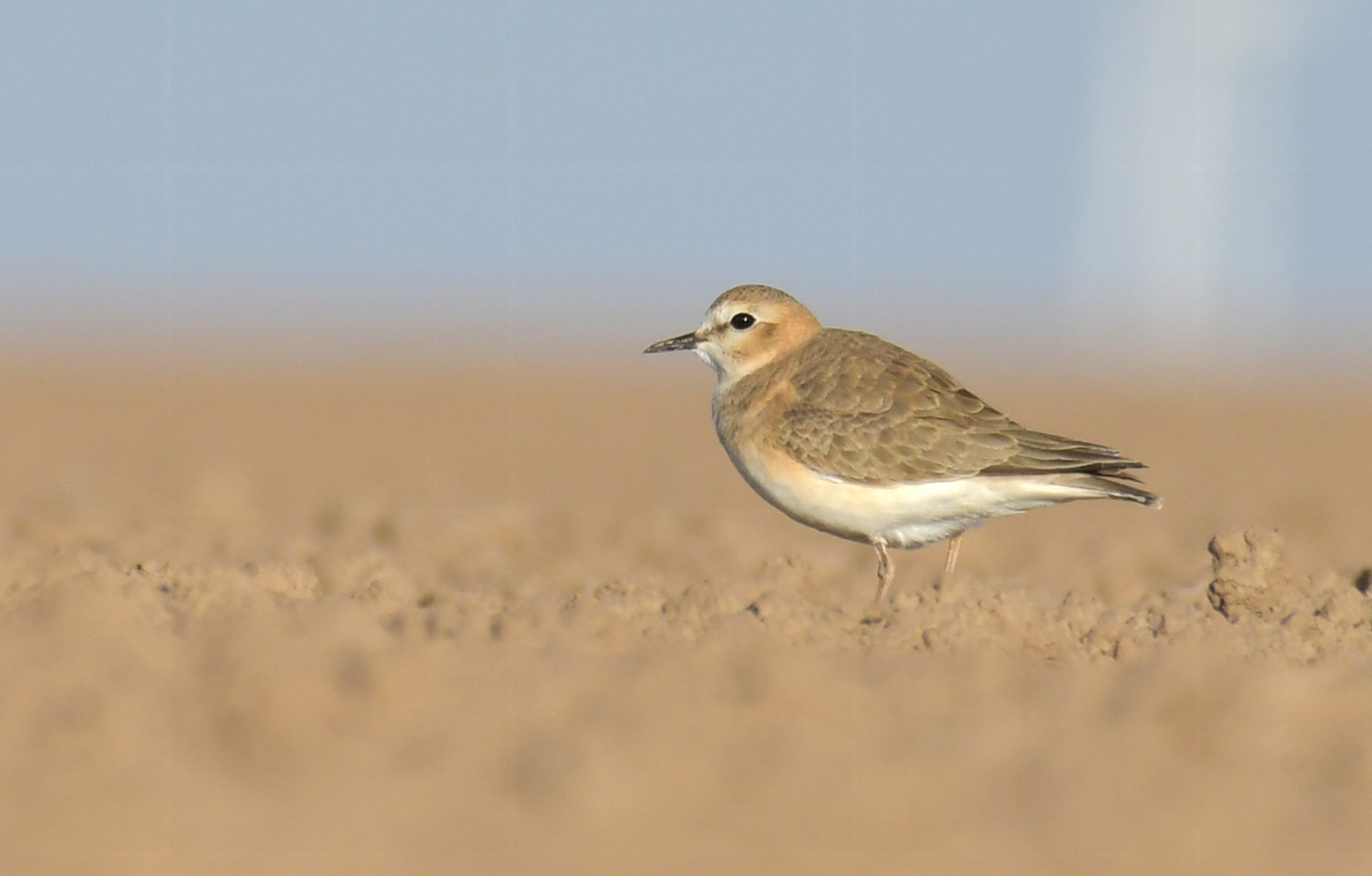
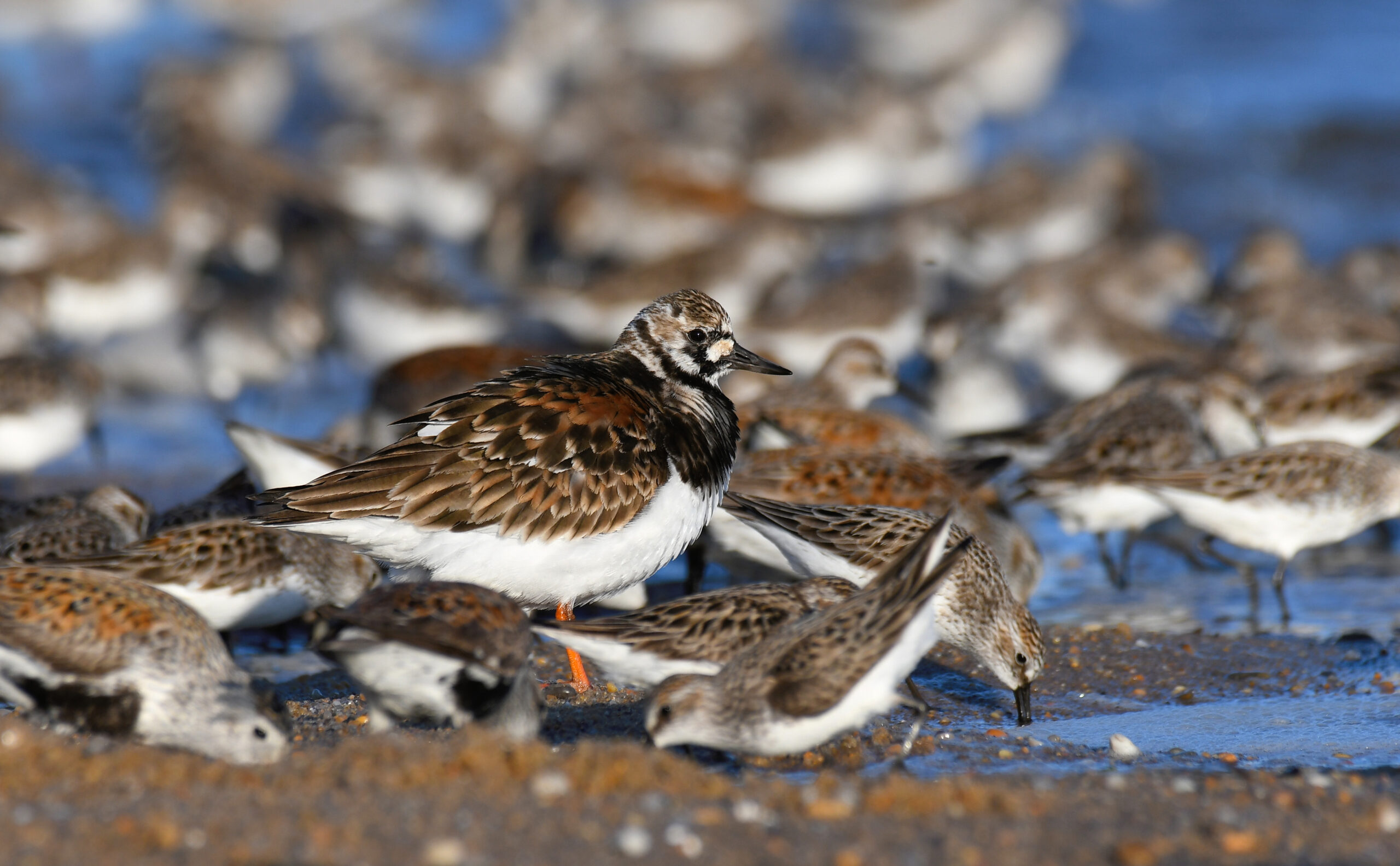
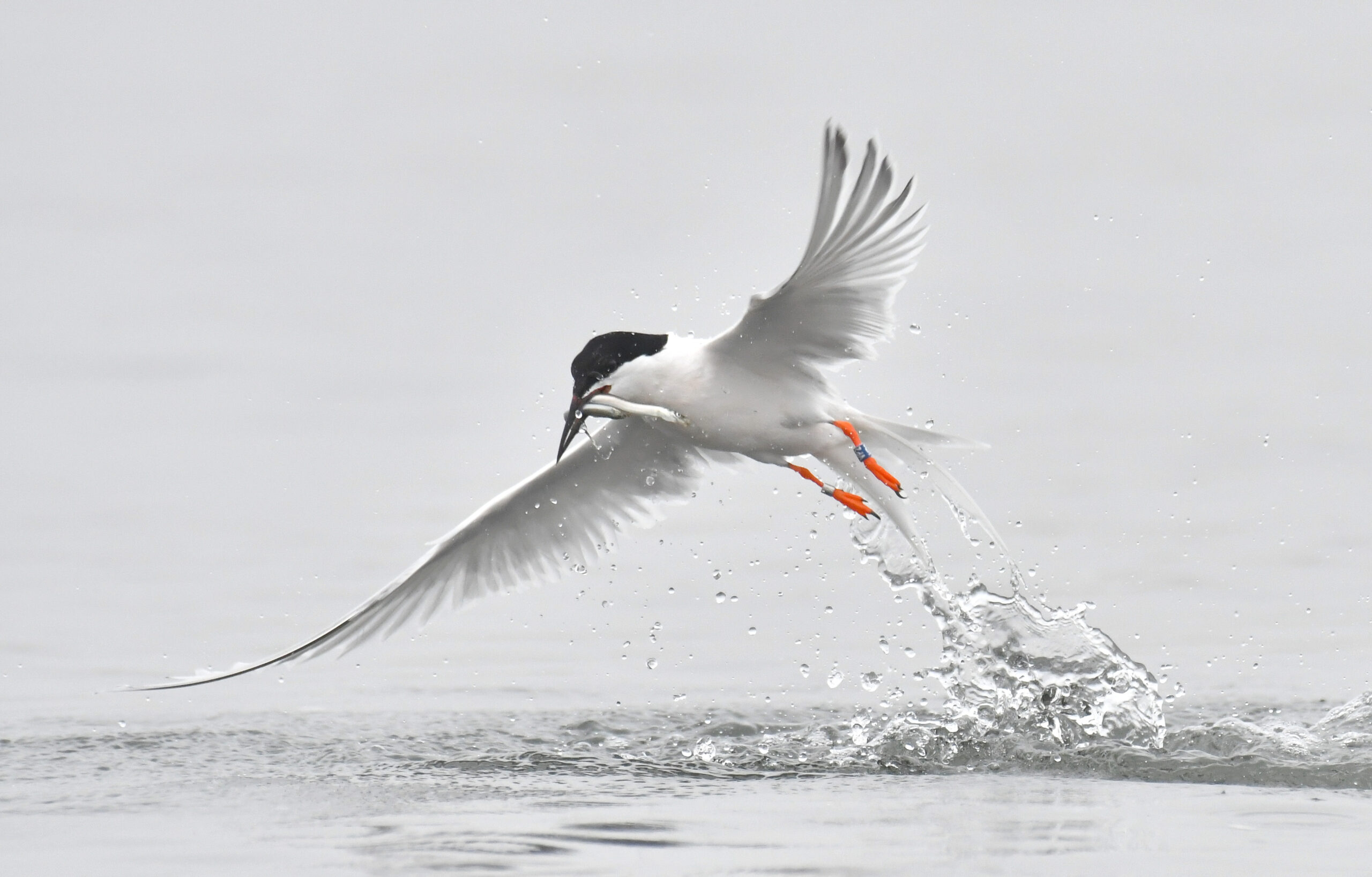
The endless beauty and diversity of the natural world is what first drew me to birds, and later led me to the field of conservation biology. Through years of field work and personal birding excursions, I often rediscover that same sense of wonder in small, fleeting moments — ones I try to capture with a camera when I can. I am not a photographer by training, and most of these images were taken opportunistically, camera half-ready. Many of my favorite moments escaped the lens and live now only in memory. The ones that didn’t live here.